Push Pull Legs Split Explained
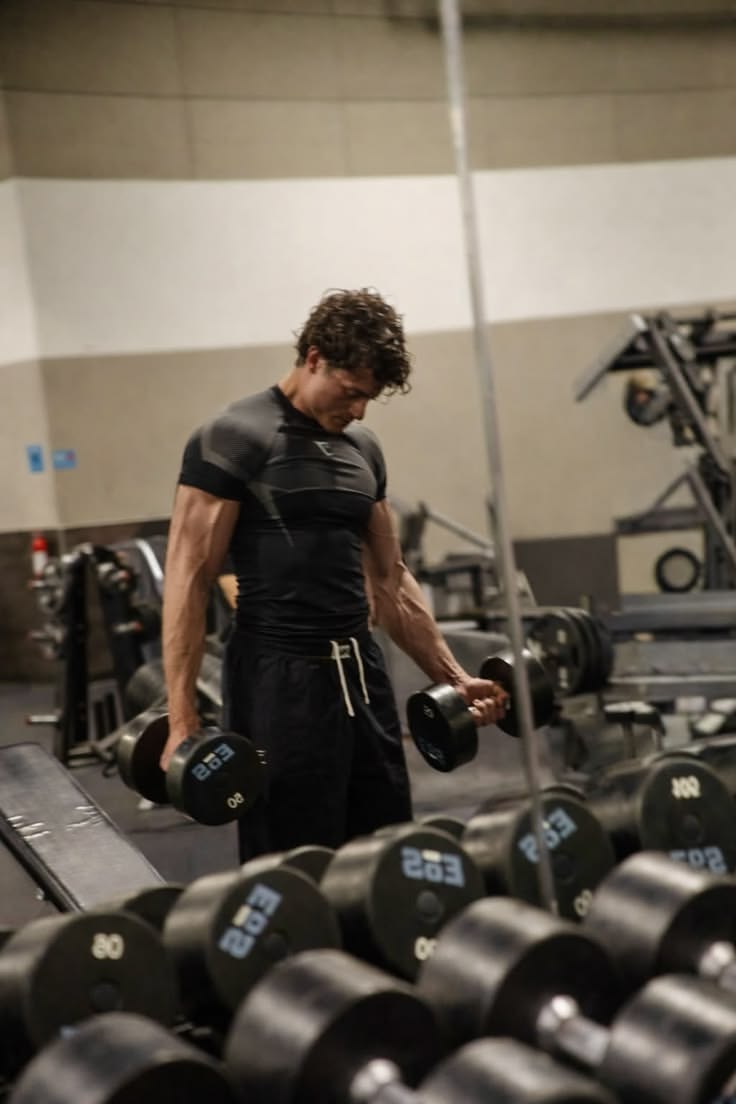
What a push pull legs split is, how to schedule it, and who it suits best.
Push pull legs, often shortened to PPL, is one of the most popular ways to organise weight training. It divides the body into three groups so each muscle gets worked, then rested.
What each day trains
- Push: chest, shoulders and triceps
- Pull: back, rear shoulders and biceps
- Legs: quads, hamstrings, glutes and calves
How to schedule it
The simplest version is three days a week, for example Monday push, Wednesday pull and Friday legs. If you have more time, run it twice a week over six days, with one rest day at the end. Each muscle is then trained twice per week, which suits most lifters well.
Sample push day
- Bench press: 4 x 6
- Seated dumbbell shoulder press: 3 x 8-10
- Incline dumbbell press: 3 x 10
- Lateral raise: 3 x 15
- Triceps pushdown: 3 x 12
Sample pull day
- Pull-ups or lat pulldown: 4 x 6-10
- Barbell or cable row: 4 x 8
- Face pull: 3 x 15
- Dumbbell curl: 3 x 10-12
Sample leg day
- Back squat: 4 x 6
- Romanian deadlift: 3 x 8
- Leg press: 3 x 12
- Walking lunge: 2 x 12 each leg
- Standing calf raise: 4 x 12
Who is it for?
PPL suits people who can train at least three days a week and enjoy a clear structure. Complete beginners may do better with full body sessions for the first few months, then move to PPL once the basic lifts feel natural.
Whatever split you pick, the main driver of progress is adding reps or weight over time while eating and sleeping well.
Keep reading

How Much Protein Do You Need to Build Muscle?
Evidence-based protein targets for lifters, with simple food examples and an easy way to calculate your number.

Strength Training for Women: Myths and a Starter Plan
Why lifting weights is great for women, which myths to ignore, and a simple plan to start.
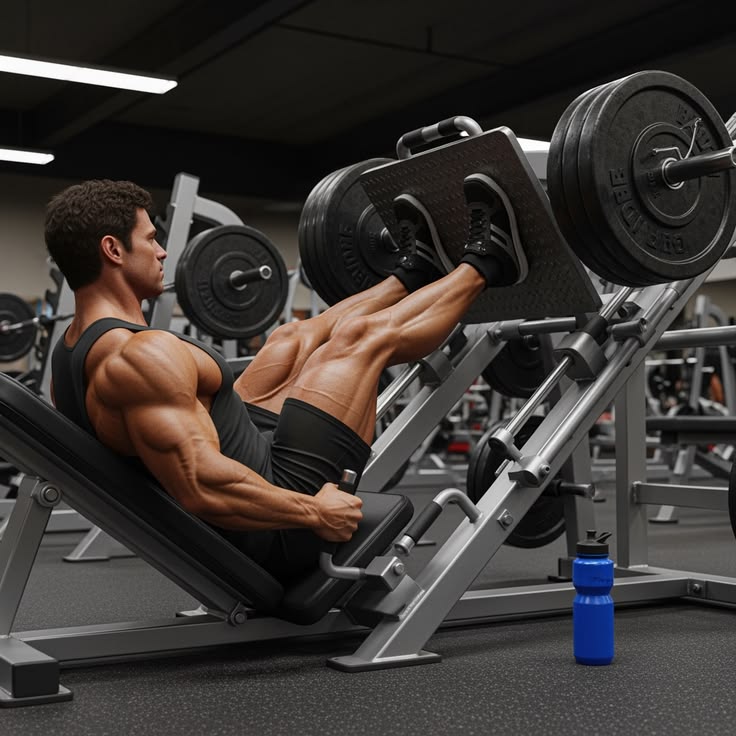
Best Leg Day Workout for Stronger, Bigger Legs
A complete leg day with squats, presses, hamstring work and calves, including sets, reps and rest.